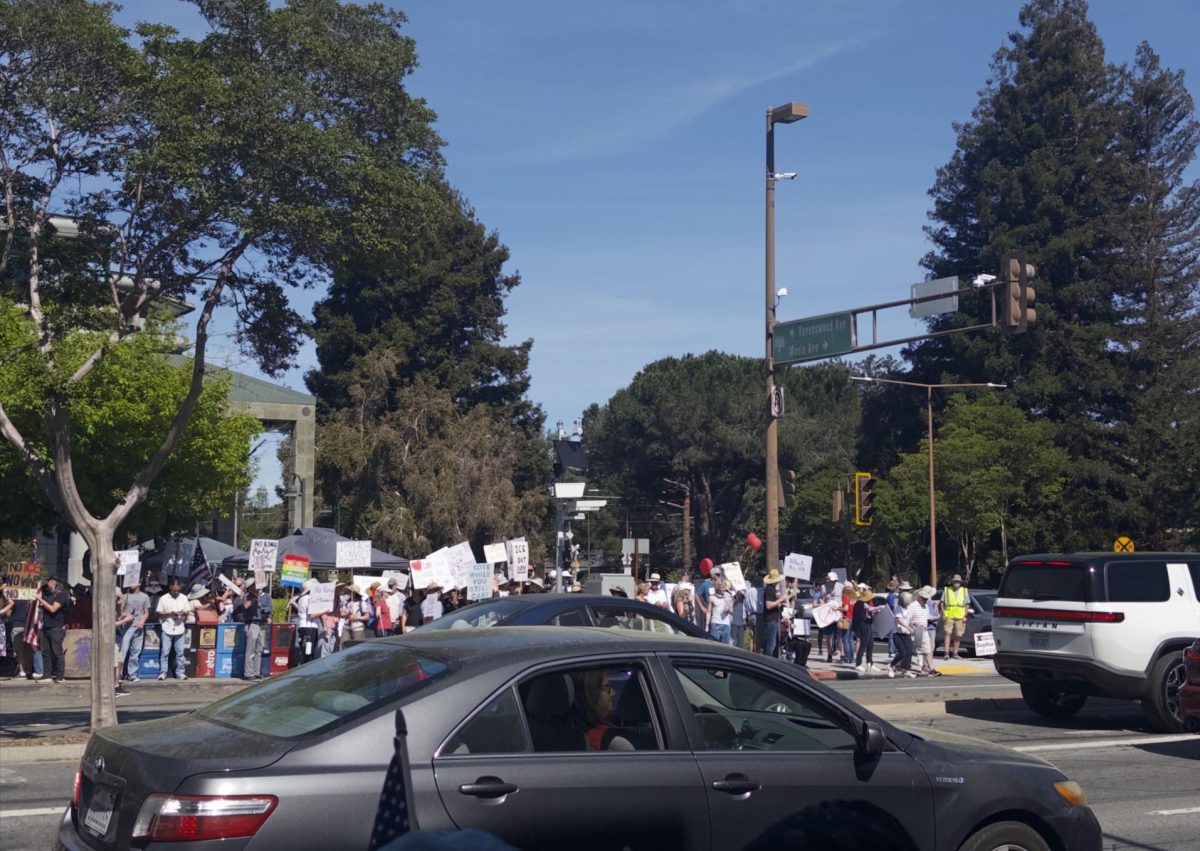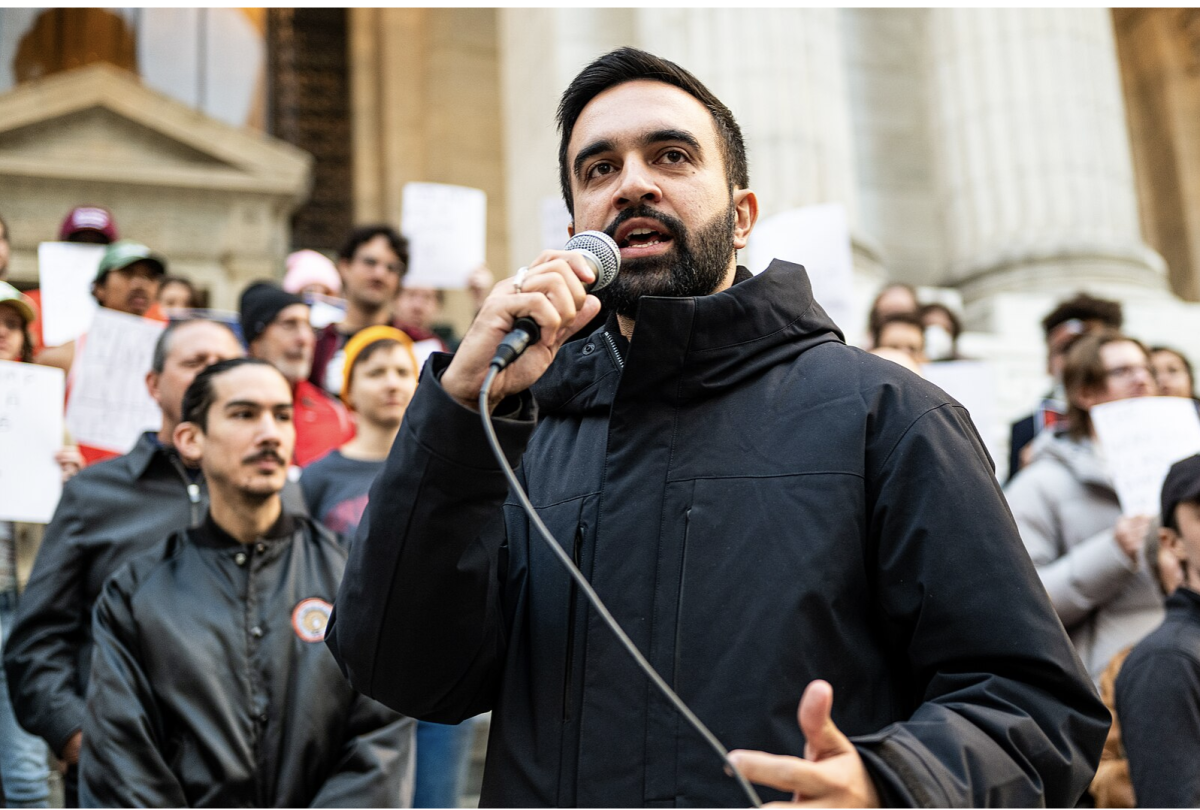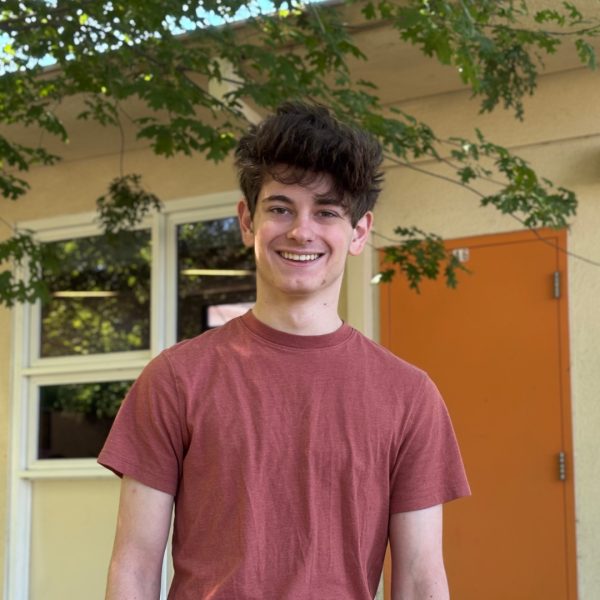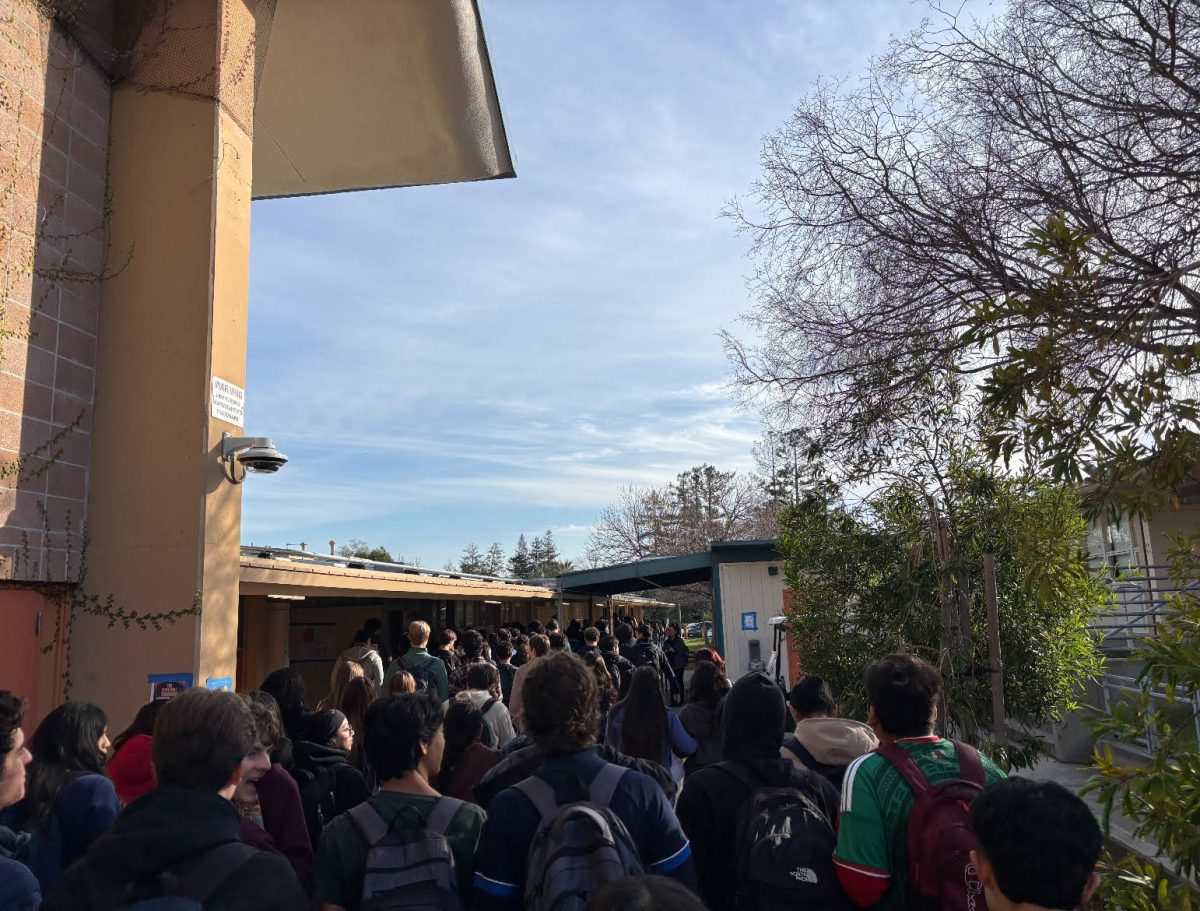
On Friday, Jan. 30, students walked out in protest of U.S. Immigration and Customs Enforcement (ICE), recent violence in Minneapolis and President Donald Trump’s immigration policies. Walkouts also occurred at various other high schools in the area, with all of them meeting in downtown Redwood City.
On that same day was the first quad game of the basketball season, with four of Woodside’s basketball teams playing back-to-back in the new gym. Along with that, there were two boys’ soccer games that night at Bradley Field.
However, due to the fact that participating in the walkout meant missing school, this posed an issue for athletes participating in that night’s games who also hoped to walk out.
“Students are expected to attend at least half of their academic day in order to participate in practice or games on that day,” the district’s Athletic Handbook reads.
Coaches relayed this information to their players, causing many eager-to-walkout athletes to skip the protest so that they could play that night. One of these student-athletes was sophomore Lyla Rich, a member of the Varsity Girls Basketball Team. She believes that this rule is a good one; however, she thinks that there should be caveats when it comes to certain events, one of those being protests.
“[The rule] is kind of a time and place thing,” Rich said. “If there’s something like a school walkout or a protest, I think athletes should be allowed to stand up for what they believe in [without facing repercussions in their sports].”
Another athlete on the Girls Varsity Basketball Team, Meadow Long, attended the walkout and returned to school in time for 4th period. This meant that she attended two periods that day and was allowed to play in that night’s basketball game.
“I don’t have a first [period], so I had to be back for fourth and sixth period to be able to play [that night],” Long said. “I had to get a ride from one of my friends back to the school so I could be marked present.”
Long understands why the rule was in place; however, she has several issues with it.
“There was one day where I wasn’t feeling well, but I had to come to school anyway because of my game,” Long said. “I could be feeling bad in the morning and then feel better [later]. I just want to have the opportunity to play and then decide if I’m feeling. It’s better than just not [playing at all].”
Without her ride, Long would’ve had to sit out the walkout, which was something she was passionate about attending.
“I think it was good to stand up for what you believe in,” Long said. “To look back and to be able to say that you were able to make a change is meaningful.”
JV Boys Soccer Coach Jorge Moreno had 9 players out of his 24-player team because of the walkout, affecting his team a lot due to the fact that most of the missing players were starters.
Moreno said he supports the attendance rule, stating, “Education is more important.”
He also believed that there should be no caveats in the rule for protests.
This rule is common in high school athletic programs across the country. Schools in New York, Washington and other states have similar rules.
“[The athletic department’s] intention is not for us to not be able to protest and take away our rights, but it’s more so to keep us student-athletes and not athlete-students,” said Rich.