San Francisco is facing a series of massive budget cuts, which are forcing the city leaders to make tough decisions about city services. Mayor Daniel Lurie’s administration is attempting to alleviate a $643 million two-year deficit through layoffs and cuts to city services.
The cuts have faced disproportionate backlash from city residents and from labor unions and organizations who believe that the cuts and layoffs will harm vulnerable residents. According to CBS News, more than 100 layoffs have been issued already.
Darcy Book, a San Francisco resident and English I teacher, believed that San Francisco and the Lurie administration have made the wrong decision on where the cuts should go.
“I wish that the city made cuts to the police force,” Book said. “Police and firefighters have received 14% pay raises over four years, while other, more crucial services like public health are being cut.”
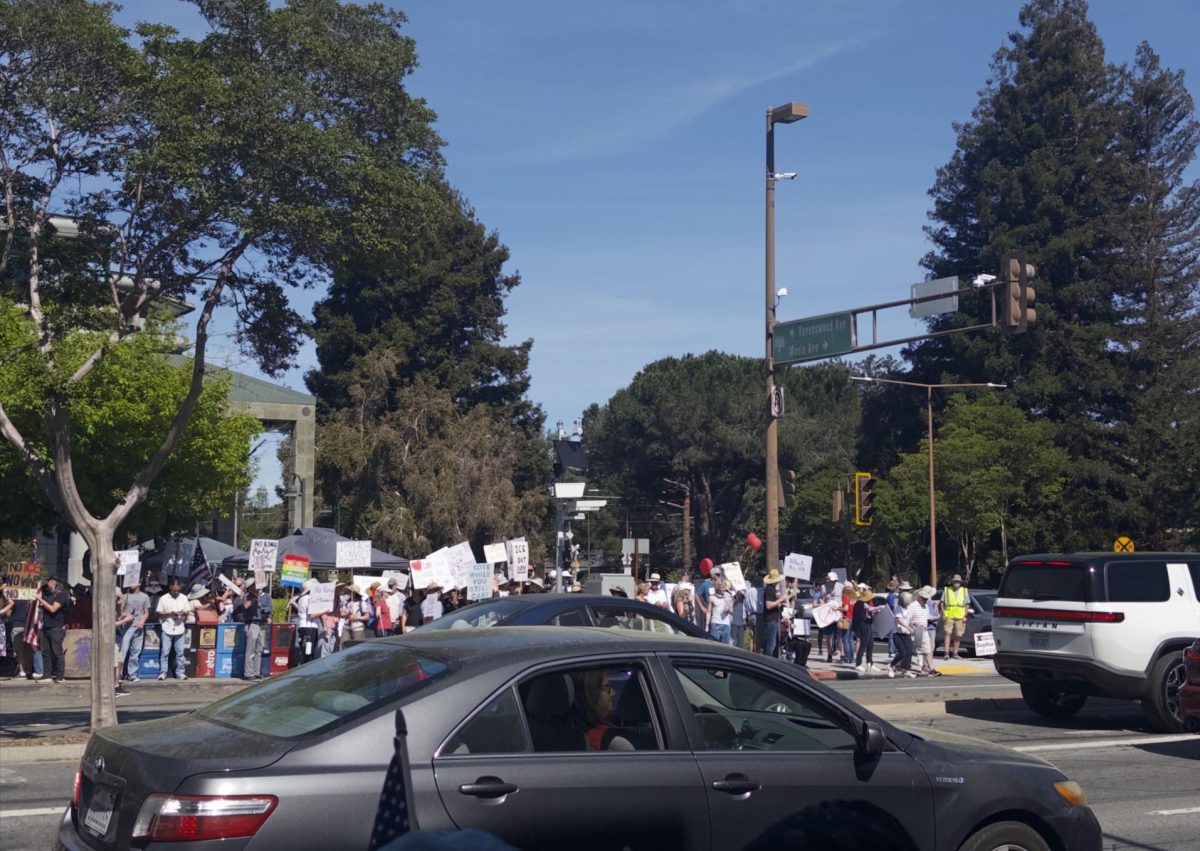
Outside city hall, members protesting the issue were displeased at the fact that social programs are being reduced while other departments are left unscathed.
“Don’t cut services to the most vulnerable people, seniors and adults with disabilities”, Kaleda Walling of Golden Gate Senior Services said in an interview with CBS News. “We’re trying to make sure they’re not feeling alone and that they’re not isolated.”
Book said she has already seen how these cuts are affecting her daily life when it comes to city services.
“I’ve noticed slower transit and cuts to [San Francisco Municipal Railway] MUNI and a general feeling that public systems are stretched thin,” Book said.
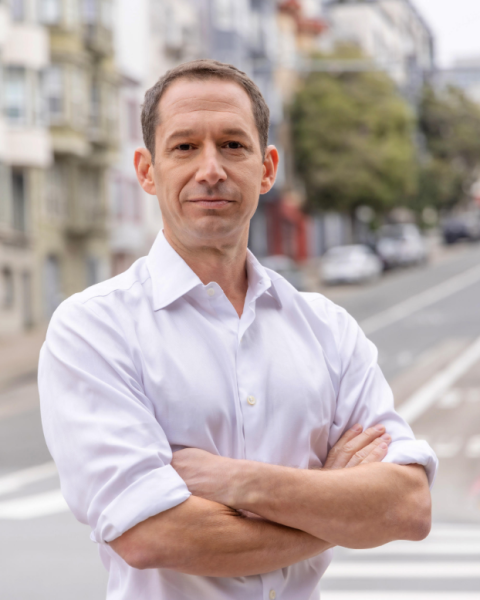
Mayor Daniel Lurie defended the city’s approach when discussing the deficit with CBS News.
“These are difficult times,” Lurie said. “I’m worried about what’s next for our city.”
Book believes that these decisions could have long-term consequences for the future of low-income residents of San Francisco.
“I’m most concerned that the city is balancing the budget by cutting services to vulnerable residents instead of asking wealthier institutions or heavily funded departments to share more of the burden,” Book said.
Despite contrarian views on where the cuts should go, according to Book, it remains one of the largest problems the city has to solve, and could determine the future of the city itself.
“If the city keeps underinvesting in social infrastructure while protecting policing budgets, it risks becoming less affordable and less compassionate,” Book said.