Savor is a company founded in 2022 that aims to “use less to make more” in the fats industry, looking to revolutionize the process of producing products like butter, oil, or other fat-containing products. This year, the company has found new customers for its first product, a synthetically created butter, in multiple Michelin-star restaurants, including ONE65, located in downtown San Francisco. Savor has a research and development department at its headquarters in San Jose and has reached GRAS (generally recognized as safe) status, and has expanded to a facility in Illinois that can produce its product at scale. The company has had multiple events in the Bay Area, including a launch event in early September 2025. They produce various fat molecules, which have a wide range of applications, from being in butter to various oils.
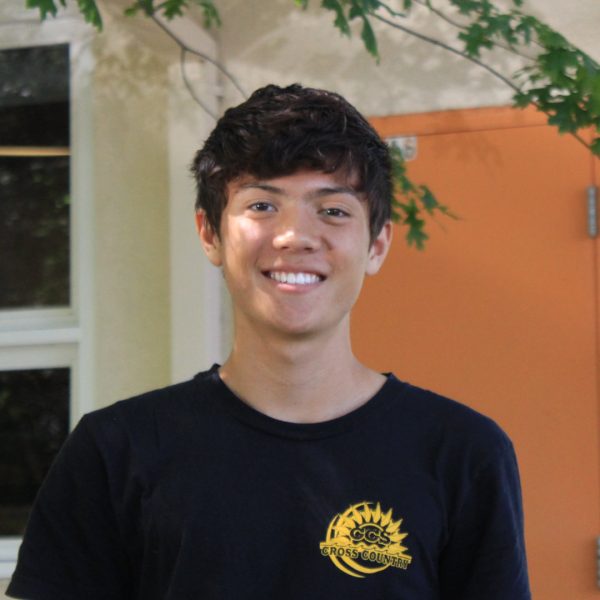
“A fat molecule is one of the four types of macromolecules,” junior Aaron Mahoney said. “It’s used mainly for energy storage, like long-term energy storage by organisms. Unsaturated fat has single bonds between the carbons, which makes it straight, and it makes them really easy to be packed together.”
Mahoney is an AP biology student who takes nutrition into consideration as he runs on the track team. Savor’s goals are stated in their recent press release, trying to “find the most sustainable way to feed humanity.” The company is focused on the idea of reducing the amount of carbon emissions in the fat industry by cutting out the normal processes, instead going straight from energy and gases into fats. According to an email interview with Savor’s Communication Lead, Andrew Noyes, production of fats and oils currently accounts for 7% of greenhouse gas emissions globally.
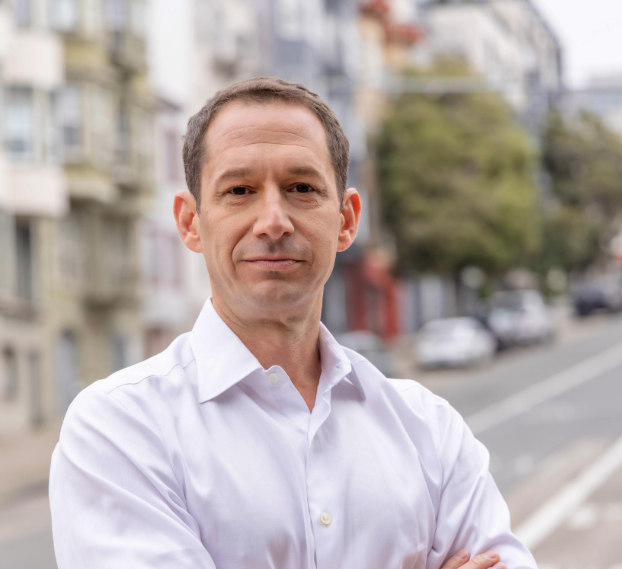
“Savor offers a way to feed our species without consuming our planet,” Noyes said. “By creating an essential macronutrient directly from primary energy sources—instead of secondary ones like plants and animals—we can protect the planet while feeding communities and supporting broader economies.”
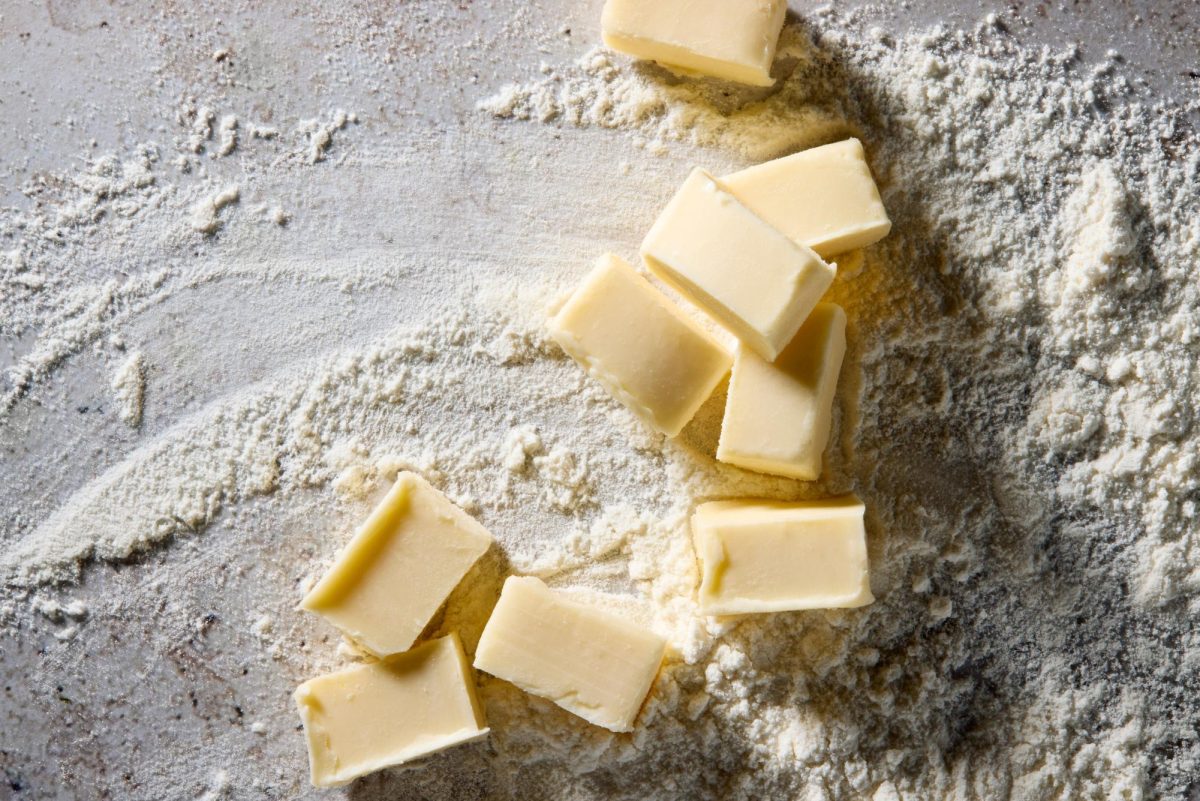
According to Savor’s press release, their capabilities are much wider than just the dairy-fat industry, which is what they are currently focusing on for production. They have created a butter alternative, and they plan to expand and create a cocoa butter alternative next.
“Our products are made to be direct substitutes in some of the most common applications and recipes,” Noyes said. “This is true whether our products replace existing fats, or are customized to meet a specific purpose or if they are integrated into more complex products like butter. Our butter formulation has properties that are amazingly close to dairy butter. It can ‘croissant’ and can be a 1:1 replacement in most baking applications.”
This kind of replacement to common foods or commodities can do very well, like the Impossible Foods company, which has been valued at around $7 billion, or it can collapse. One factor in how well it will do is market demand, how much customers are willing to go out of their way to buy it instead of the alternative.
“Well, it’s kind of like the plant meat,” Mahoney said. “If it’s approved, I guess [I’d try it,] and if it’s about the same nutritional value, sure, yeah, that’d be interesting.”
Woodside students don’t see a problem with trying the synthetic butter or fats, but many wouldn’t go out of their way to try it.
“I probably would [try it], if it tasted the same as normal food, and it didn’t poison me or anything,” sophomore Quincy King said. “[I think about the sustainability of these foods] not often, but I know about it.”
The goal of this San Jose startup is set—to revolutionize the fats industry to decrease the carbon emissions and increase sustainability. According to Noyes, there can be a 70% decrease in gas emissions in the palm oil and coconut oil industries and a potential for even more because of the land that can be revitalized, which was used for the industry before.
“Savor’s is the only technology with the potential to replace palm oil and other widely used fats with a very low-carbon equivalent within the next decade,” Noyes said. “As such, the company is positioned to make a substantial impact on global sustainability efforts in the food industry.”