A Spotify listener presses shuffle on their playlist, then plays it. A recognizable TikTok track starts pumping from their headphones, but the voice singing “I RUN” isn’t human. It was created by artificial intelligence (AI).
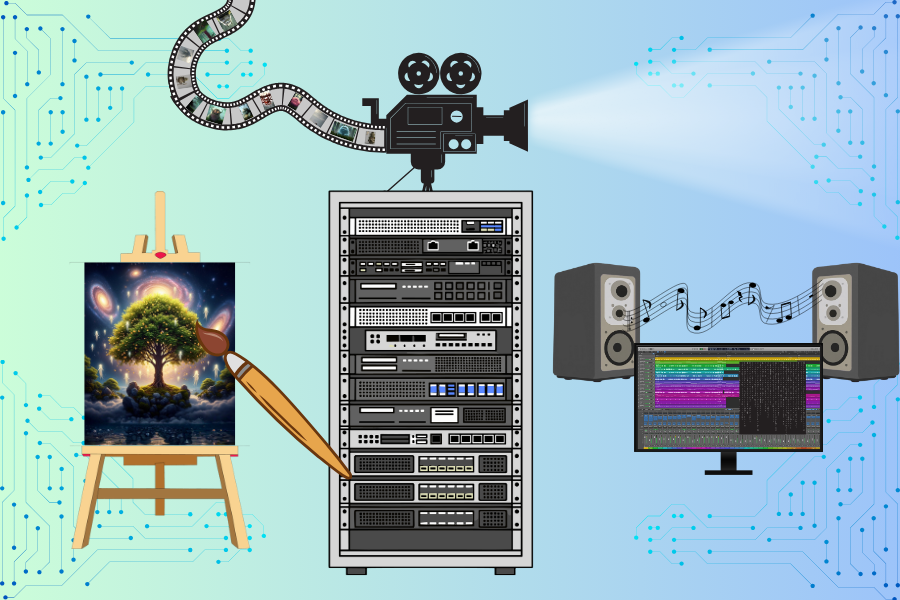
AI art is taking over. In recent years, multiple AI-generated songs charted on Billboard. With the rise of AI in the music industry, record labels such as Hallwood Media have signed multimillion-dollar deals with AI artists. Open Art, an AI art generator, has been used to create personas such as Xania Monet, an AI artist who has accumulated millions of streams on Spotify. The emergence of these new categories of artists displays a change in the music industry.
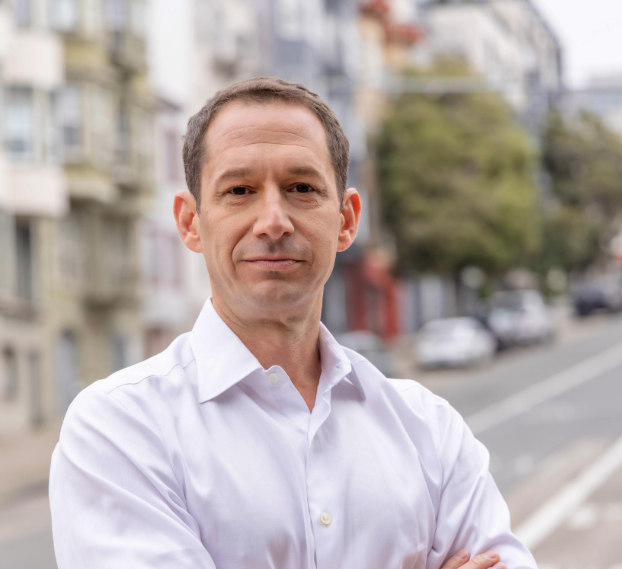
“My concern with AI is the effect that it’s going to have on people who make their livelihoods in the various steps in the production cycle,” Audio Production teacher Raphael Kauffmann said. “I think that studios are going to go out of business because no one’s going to need to go to a studio to record, and musicians are going to go out of business because they’ll just be able to write a prompt and get a guitar part or a drum part.”
Major artists, such as Teddy Swims, have revealed how AI has played a role in the songwriting process. The singer of “Lose Control” called AI technology “truly amazing” and “super helpful” as a time and effort-saving tool when writing. While some established artists appreciate AI as a tool and usage will develop over time, real human music production is more valuable to other producers.
“Unfortunately, I think [AI is] going to change a lot about how music is made,” Kauffmann said. “I hope…that creative people realize that typing a prompt into a that maybe it’s fun, but that it’s not gratifying.”
Coca Cola’s controversial holiday advertisement sparked the discussion about corporations investing in AI art instead of hiring 3-d artists like they did in the past. For artists of all forms, AI skips the hard work that goes into human-created art, but this isn’t the only concern. The promotion of AI art directly harms these artists by taking jobs and devaluing real art in return for profit.
“The AI movement is putting writers, musicians, artists, filmmakers and now even actors out of work,” Art teacher Julie Marten said. “All to cut costs for corporations, improve profit margins or ease workflow by removing humans from the equation, that is, for reasons of greed, laziness or both.”
AI programs have been incorporating image creation features that can generate images based on prompts. These programs utilize learning models that scan millions of online images related to the given prompts to learn what image they should generate. Many use this feature to create art; however, others believe that the use of AI glosses over an essential part of art as a whole: human nature.
“All the arts come out of a human need to create, express and communicate about their experience of being alive in ways that allow others to more deeply understand and access their experience of being alive,” Marten said. “AI has none of that. No life. No love. No need to express, share and connect that comes from desire, joy, pain, survival and a need to reflect and connect.”
In Hollywood, films such as Shang Chi and Dune have been increasingly implementing AI into their CGI or VFX tools. In 2023, a short film called “Critterz” was released by OpenAI, the creator ChatGPT, showing the possibility of a majority AI made movie that was made faster and cheaper than any existing competition. There are aspects of human creation that cannot be replicated by AI, but in film class, there are certain tasks that can rely on AI to be more efficient while still maintaining the human-created aspects.
“I have no issue with AI being used, maybe on repetitive things or little tasks,” filmmaking teacher Joshua Debets said. “Once it starts taking over the main idea of the film or production … you sort of lose that human element.”
AI is known to create a product quickly by skipping over the long working phase of real people. Some appreciate this aspect, but others view it as more than just work.
“What makes human filmmaking unique is the collaborative spirit and people coming together to have a similar vision that you definitely would not see with just an AI application,” Debets said.
Artists alike emphasize that all art, from music production to filmmaking, isn’t just about the product. There’s an essential process that AI art skips over.
“There’s a lot of satisfaction in learning how to do something and struggling and conquering that challenge, and I think that we’re going to take that opportunity away from people,” Kauffmann said. “AI can’t replicate the years of hard work and practice that went into creating all the cool music that we have grown to love. It can copy it, it can emulate it, but it can’t really make it.”