Students reflect on their 2025 New Year’s resolutions and the importance of setting goals when moving into a new year.
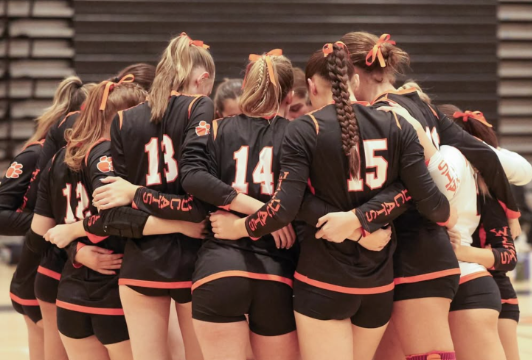
One of the New Year’s traditions that comes along with eating grapes, wearing certain colors and kissing at midnight is making a resolution for the following year. According to HISTORY, this tradition has existed for nearly 4,000 years and has been a part of many cultures. A study by the PEW Research Center showed that three in 10 Americans made a resolution last year, many of the goals being health-related and resulting from pressure to make one. Students tuned into the discussion on what their own resolutions were and whether this tradition deserves its long history. Senior Aaron Wilson has been a varsity member of the swim team since his freshman year. For his 2026 resolution, Wilson wants to break a minute and 55 seconds in his eight-lap freestyle swim.
“I think [resolutions are] both motivating and overrated,” Wilson said. “But I don’t see why you have to wait until the new year to start your goal.”
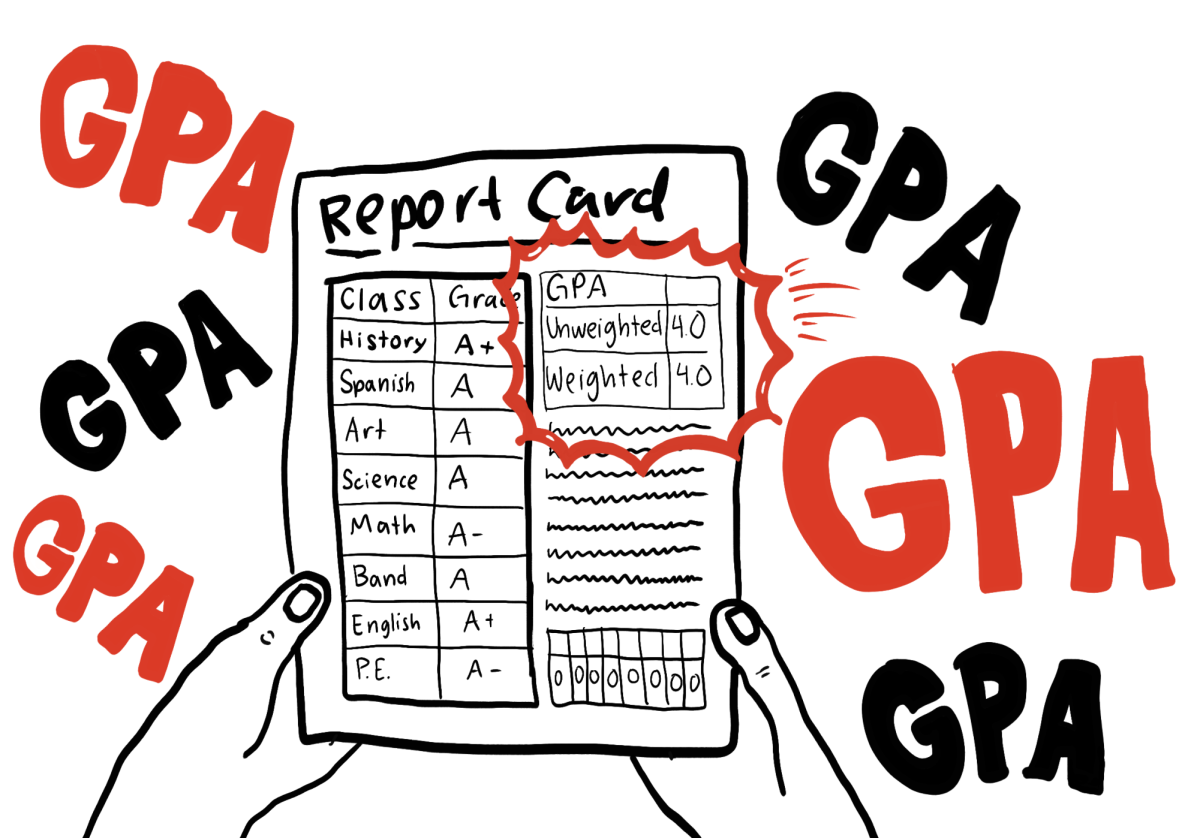
In some cases, goals have to be saved for the new year, or in junior Cole Richards’s case, the next semester. His New Year’s resolution is to get all A’s in the second semester.
“My parents want me to get good grades, and I want to get good grades for myself,” Richards said. “So I feel like it’s pretty family and self-motivated.”
Richards believes that setting goals is beneficial as long as they are realistic.
“One realistic goal is … getting good grades, but an unrealistic goal is … [going] to the gym every single day for a year, because you [could have] vacations, [or] you’ll be sick and you might not go,” Richards said.
For some, resolutions aren’t a part of their celebration of the New Year at all. Senior Fiona Beasley doesn’t have a resolution, but she still celebrates by partying with the people she loves.
“New Year’s is a very fun holiday to celebrate with friends and family,” Beasley said. “I really like the fireworks.”